
A personal retrospective on strategy, courage and trust in one of the longest-standing partnerships in the Paralympic Movement
How Do Great Partnerships Begin?
Most partnerships start with a contract. The best ones start with a defining moment.
Twenty years ago, I had the opportunity to help build what would become one of the longest-running corporate partnerships in the Paralympic Movement — between
Allianz and the International Paralympic Committee.
At the time, the Paralympic Movement was growing rapidly, but the commercial structures around it were still evolving. Brands were curious — but cautious.
Looking back from the Milano Cortina 2026 Paralympic Winter Games, this 20-year journey offers powerful lessons about how meaningful partnerships are built.
Through courage, trust and a shared belief in what something could become.
And like many defining partnerships, this one began in an unexpected moment.
Una Notte Magica — The Night It Began
At the Torino 2006 Paralympic Winter Games the Paralympic Movement looked very different from today. The International Paralympic Committee was a team of around twenty people. In marketing, we were two.
We were ambitious. But the commercial programme was still evolving. Partnering with a global brand required belief — on both sides. And the catalyst came from an unexpected place.
German Federal President Horst Köhler announced he would attend the Games and invited a small group of German CEOs to join him and explore how they could support the Paralympic Movement.
One of them was Michael Diekmann, CEO of Allianz.
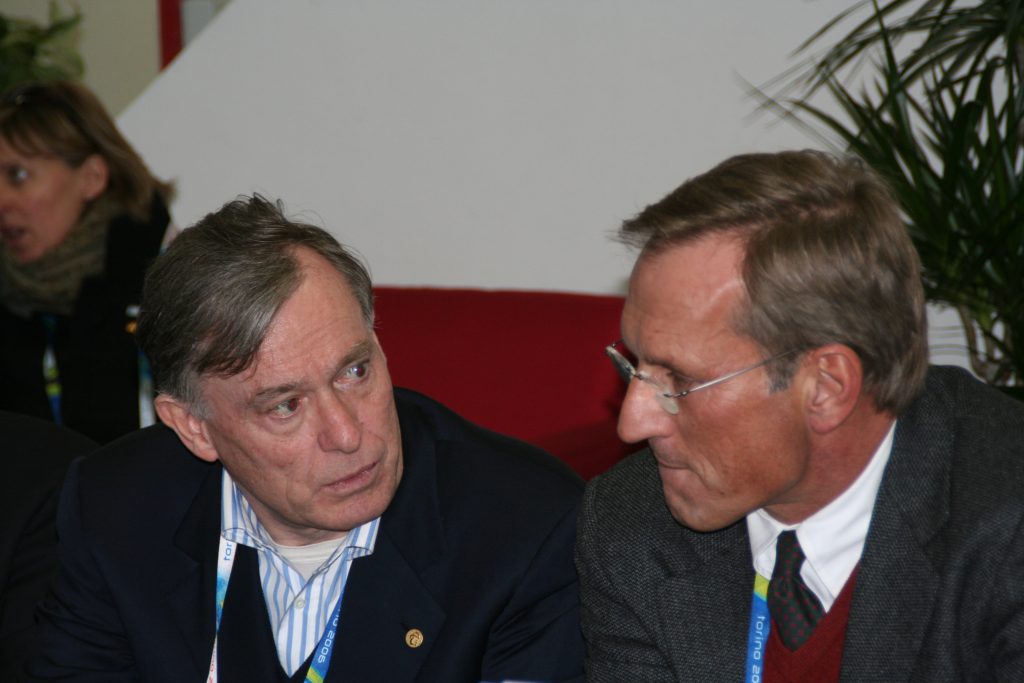
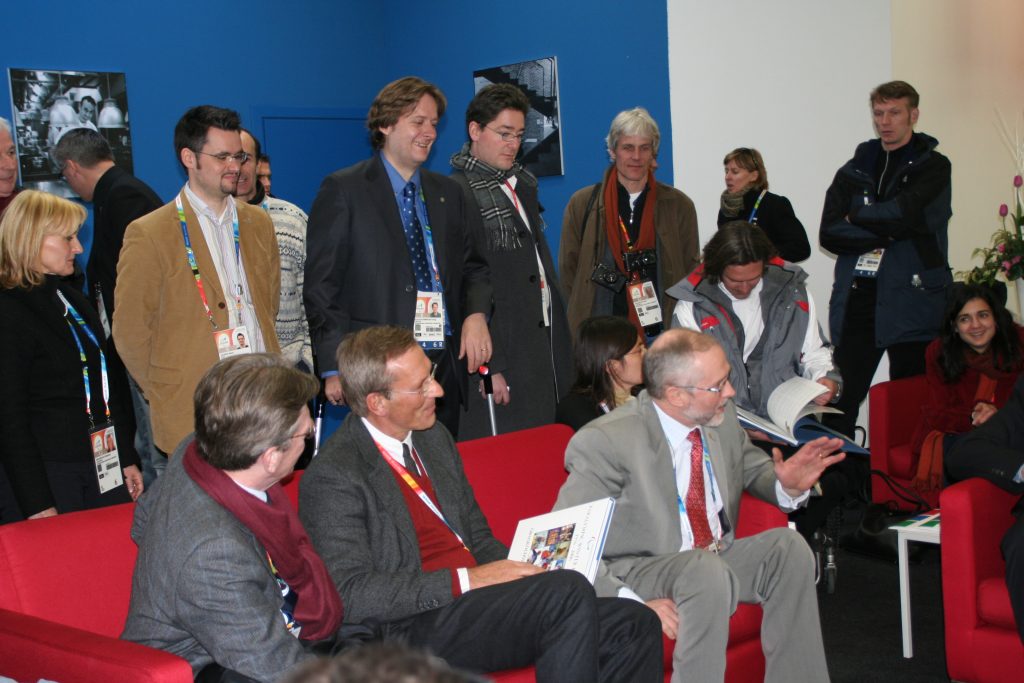
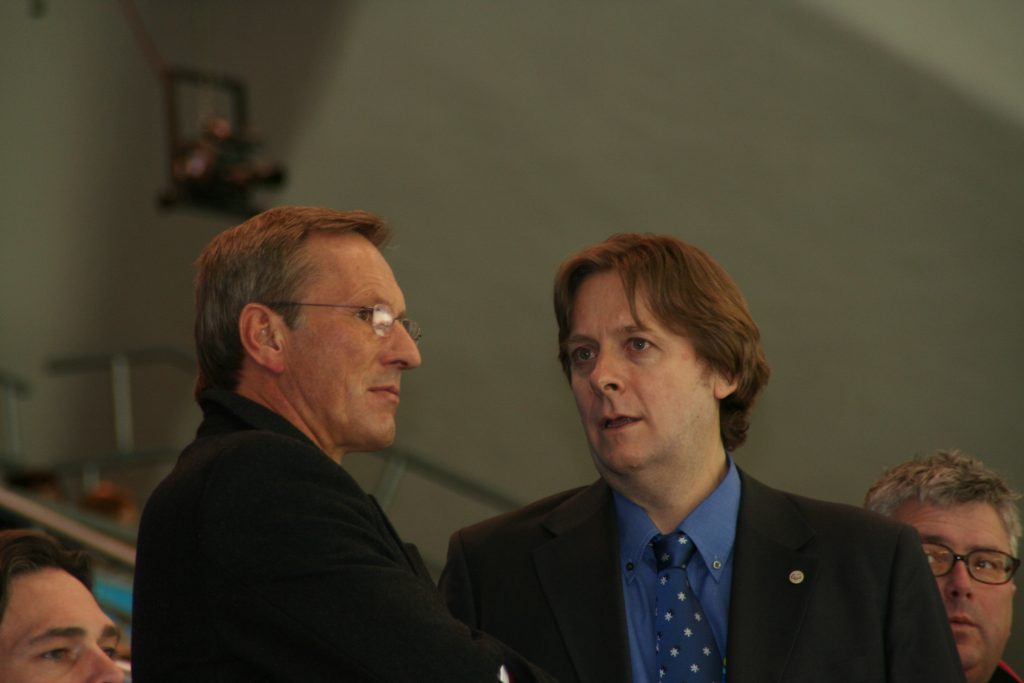
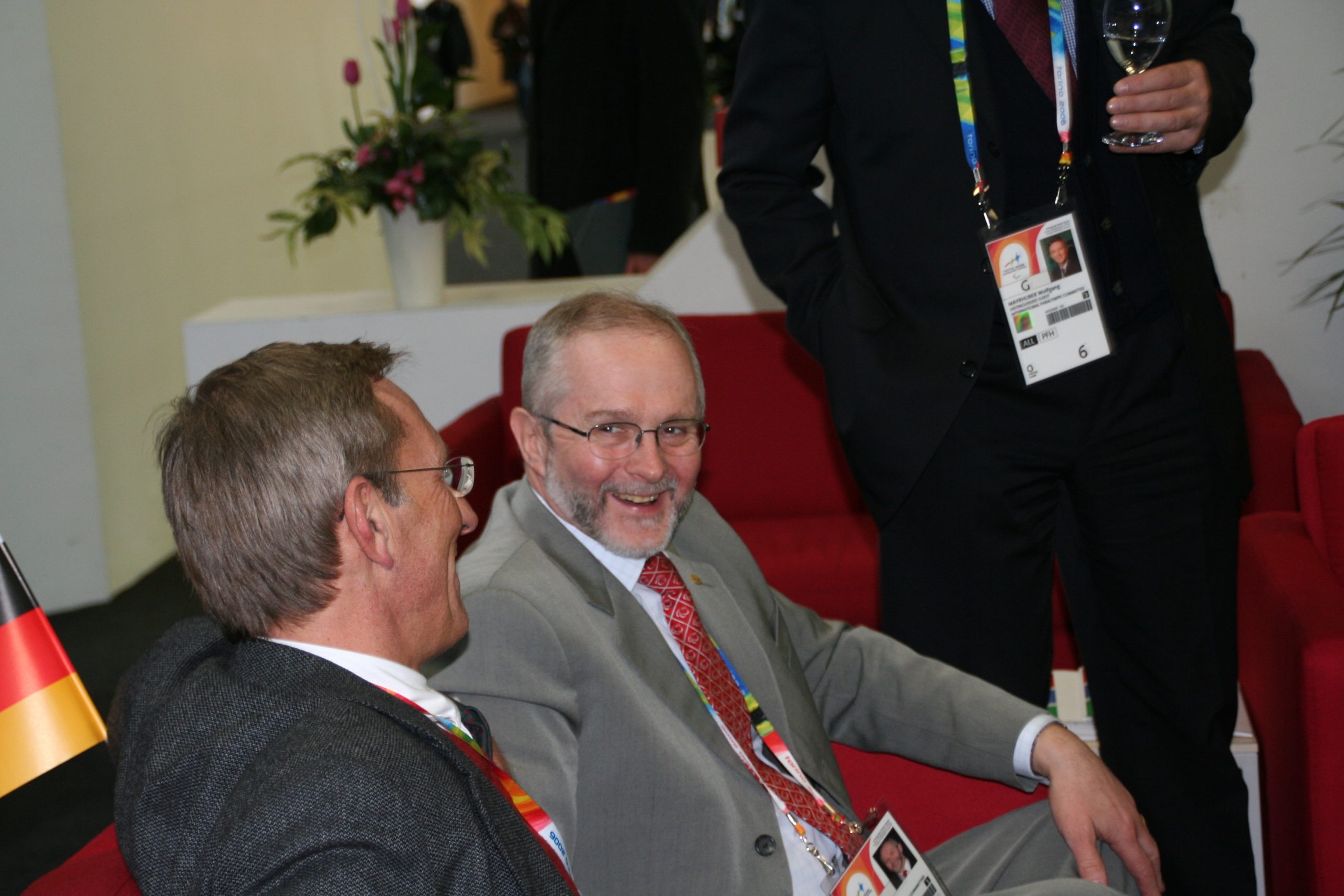
During the day, the delegation experienced the Games with the German National Paralympic Committee. In the evening, a meeting with IPC President Sir Philip Craven was scheduled during the bronze medal ice hockey match between Germany and the USA.
It could not have been scripted better. Germany had qualified for the Paralympics for the first time. The USA were favourites. Germany had already beaten them 2–1 earlier in the tournament. The bronze medal game ended 3–4. Germany lost.
But what everyone in the arena witnessed was something much bigger:
- Grit.
- Speed.
- Determination.
- Performance at the highest level.
In that moment, one thing became clear to everyone watching.
This was not charity – this was sport.
That evening, the first conversation between Michael Diekmann and Sir Philip Craven began. It would eventually lead to the first patronage agreement between Allianz and the IPC – a partnership was born.
Quo Vadis – Sponsorship or Donation?
A few weeks after Torino, we sat down with the Allianz team to define what this relationship would become. The central question was simple — but fundamental.
Was this a sponsorship?
Or was it a donation?
From the IPC perspective, the answer was clear. We did not only want a cheque. We wanted a partner. Yes, the commercial structures of the Paralympic Movement were still evolving. No, we did not yet have every rights package perfectly defined.
But we saw something bigger:
- An opportunity to associate with a trusted global brand
- An opportunity to professionalise our commercial operations
- An opportunity to grow the visibility of Paralympic sport worldwide
For Allianz, the alignment was equally powerful. As a financial services brand built around “moments of truth”, the connection to Paralympic athletes was obvious. Many Paralympic athletes have already faced defining moments of truth in their lives. Now they prepare for their sporting moments of truth.
Commitment. Competence. Competitive spirit – the values aligned.
But the decision still required courage. For the IPC, it meant welcoming a global corporation when our commercial programme was still maturing. For Allianz, it meant investing in a property whose global exposure was not yet guaranteed.
Principle #1: Ambition Before Structure
Great partnerships rarely start perfectly structured. In 2006, the Paralympic commercial programme was still evolving. Rights packages were not fully standardised, and the global exposure of the Paralympics was still developing. Yet the decision was made.
Not because every contractual detail had been solved — but because both sides believed in the potential of the relationship.
The lesson: Structure can evolve. Shared ambition must exist from day one. Successful partnerships are often built on the joint courage to move forward before everything is perfectly defined.
From Visibility to Understanding
As we prepared for the Beijing 2008 Paralympic Games, a question emerged: How could Allianz add value beyond simple visibility?
At the time, branded content was not the marketing buzzword it is today. Sponsorship success was largely measured through logo exposure and hospitality programmes.
But Paralympic sport posed a different challenge: It required explanation.
- Classification systems.
- Equipment differences.
- Technical aspects of performance.
Without understanding, engagement would remain limited.
Inspired by educational safety clips and infographics Allianz had produced in Formula 1, a simple idea emerged: What if Allianz helped explain Paralympic sport?
Not through advertising. Not through heavy branding. But through insight.
This led to the creation of the first Paralympic sport explainer infographics and videos — explaining disciplines, technology and performance dynamics to media and audiences.
The real breakthrough was not the production of the videos. It was the shift in mindset. From asking how Allianz could be seen to asking how Allianz could make the Paralympics better understood. Once that shift happened, the conversation changed. We were still negotiating assets, but with a purposeful intend to build impact.
Principle #2: From Visibility to Impact
Early sponsorship conversations often focus on visibility. But visibility alone rarely builds lasting partnerships. The breakthrough moment in the Allianz–Paralympic relationship came when the focus shifted from “how can Allianz be seen” to “how can Allianz help audiences better understand Paralympic sport?”. Explainer videos, educational content and storytelling helped make the sports more accessible to fans and media. It created an asset that is still in use today.
The lesson:
Brands become trusted partners when they contribute to the ecosystem — not just when they occupy space within it.
Building the International Partner Model
As the Vancouver 2010 Paralympic Winter Games came to an end, I found myself sitting in a café in Whistler with Allianz project lead Eike Bürgel. The Games were over. The contract was up for renewal.
And we faced a defining question: What comes next?
Allianz was expanding globally. Naturally, they wanted to activate the Paralympic partnership beyond Germany. But doing this incorrectly could damage relationships with National Paralympic Committees (NPCs). The solution became the International Partner model.
Instead of forcing global exclusivity, Allianz could select strategic markets and partner with NPCs where there was real commitment to activation. This model worked because it respected two realities:
- Global ambition.
- Local ownership.
Allianz Operational Entities and NPCs joined only if there was genuine intent to activate the partnership together.
One conversation I remember vividly was with NPC Ireland. The financial entry level was modest, but the commitment was clear: headquarters investment would be complemented by local marketing resources.
And that is exactly what happened.
Allianz Ireland later became a major supporter of Para sport in the country, helping elevate awareness and supporting events such as the European Para Swimming Championships.
Trust turned into delivery. And delivery reinforced trust.
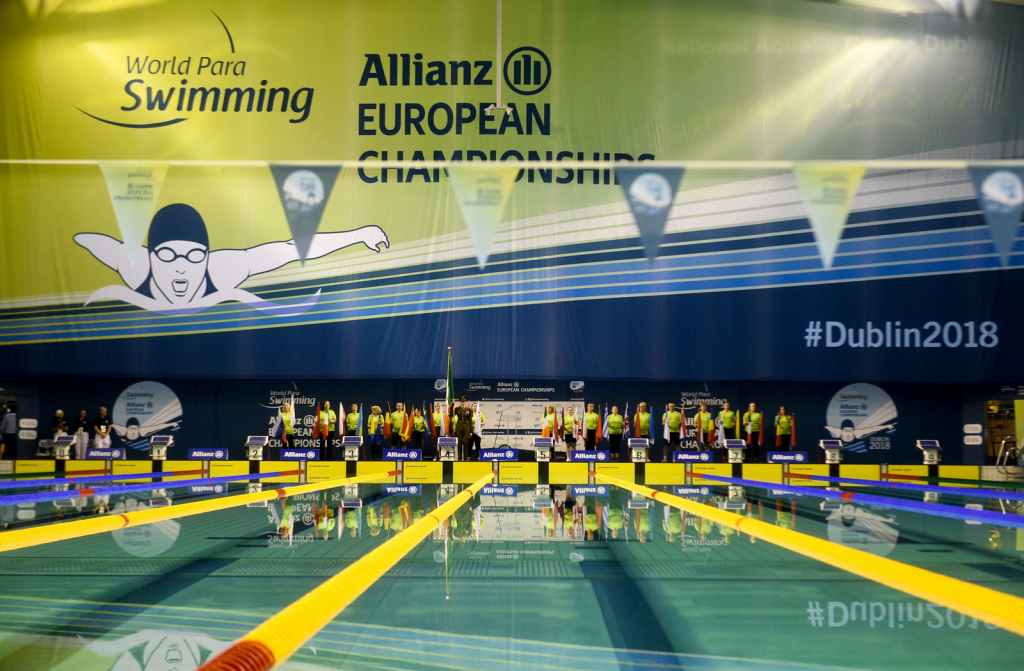
Principle #3: Global Strategy Requires Local Ownership
Global partnerships only succeed when they respect local reality. The International Partner model worked because it avoided forced global exclusivity. Instead, markets were selected strategically and partnerships were built where there was real commitment to activation. Local Allianz entities built relationships with National Paralympic Committees. Local ownership created authentic engagement.
The lesson:
Global ambition only becomes sustainable when it is supported by local conviction.
Closing the Four-Year Gap
After the London 2012 Paralympic Games, another strategic challenge emerged. The Paralympic Games were growing rapidly in visibility. But between Games cycles, engagement dropped sharply.
The peaks were rising. The valleys in between were growing deeper. Allianz was one of the first partners to recognise this challenge and invest in building visibility between the Games.
The natural entry point was World Para Athletics.
- It is the largest Paralympic sport.
- It is practised globally.
- It aligns with Allianz’s core markets.
Together we developed programmes, digital assets and event support to increase athlete visibility between Games cycles.
Principle #4: Invest Betweenvthe Peaks
Major sporting events create peaks of visibility. But movements are built between those peaks. By investing in Para Athletics and supporting athlete storytelling outside the Paralympic Games, Allianz helped sustain momentum between Games cycles.
The lesson:
If you only invest at the peak, you benefit from visibility. If you invest between the peaks, you help shape the trajectory and maximise your impact.
From International Partner to Worldwide Partner
For years, one question kept resurfacing. What if Allianz ever joined the IOC TOP Programme?
Around the same time that the International Olympic Committee (IOC )and IPC aligned their partnership structures so that Worldwide Olympic Partners would automatically become Worldwide Paralympic Partners, the scenario became real.
When Allianz joined TOP in 2028, the impact was immediate. The Paralympics were not treated as an add-on. They were integrated. You could see it in communication. In campaigns. In activation.
The approach had been shaped by more than a decade of working directly with the Paralympic Movement.
Today Allianz supports more than a dozen National Paralympic Committees worldwide — something no other Worldwide Olympic Partner currently does.
That matters. Because it ensures that investment flows not only into Games visibility, but into grassroots sport and athlete pathways.
The Games are the peak. But the Movement is built between those peaks.
And the next chapter is only beginning.
Full Circle
Looking back at Torino 2006 from Milano Cortina 2026, I feel two things.
- Validation — because we believed the Paralympic Movement would grow.
- And humility — because none of us imagined just how far it would go.
But the biggest lesson remains clear. Long-term partnerships are not built through perfect contracts. They are built through:
- Belief.
- Courage.
- Trust.
- Structure.
- And consistency.
The most defining moments are not the celebrations. They are the difficult conversations where partners choose to solve problems together. It can happen on the bus going to the Christmas party or in a meeting room. But finding solutions in those conversations is where real partnerships are forged.
Principle #5: Trust Is Built in Difficult Moments
Celebrations strengthen relationships. But difficult moments define them. Over a twenty-year partnership, expectations shift, markets change, and difficult conversations inevitably occur. What matters is how partners navigate those moments together.
The lesson:
Trust is built when partners choose solutions over positions. Those moments create the credibility that allows partnerships to last decades.
The Future of Paralympic Partnerships
Looking ahead, I believe the next evolution of Paralympic partnerships will focus on three areas:
- Athlete empowerment — giving Para athletes stronger voices as drivers of social change.
- Integrated ESG strategy — where Paralympic sponsorship and social impact become inseparable.
- Strategic activation — brands arriving at the Paralympics with a clear strategy rather than improvisation.
Brands that understand this will not just sponsor the Paralympic Movement. They will help shape its future.
Final Thought
From a bronze medal thriller in Torino in 2006 to a global partnership twenty years later – this journey shows what is possible when belief meets structure and courage meets trust.
If you want to understand how to architect meaningful partnerships in the Paralympic Movement — partnerships that create both commercial differentiation and societal impact — the experience of the past twenty years offers many lessons.
About the Author
Alexis Schäfer is the founder of Across Sport and has spent more than two decades working at the intersection of sport, partnerships and global events, including the Olympic and Paralympic ecosystem.